Copper has emerged as the critical material for electrification, renewable energy, and modern infrastructure. China has systematically built dominant positions across every segment of the copper value chain—from mining operations worldwide through refining capacity to manufacturing of copper products. This comprehensive control over copper supply chains provides China with strategic leverage while creating opportunities for businesses that understand how to access Chinese copper markets effectively.
The Electrification Metal
Copper's unique properties—excellent electrical conductivity, thermal conductivity, corrosion resistance, and ductility—make it irreplaceable in electrical applications. Every electric vehicle contains 80-100 kilograms of copper, compared to 20-25 kilograms in conventional vehicles. Wind turbines require up to 4.7 tons of copper per megawatt of capacity. Solar installations, charging infrastructure, and grid modernization all demand copper in quantities that dwarf historical consumption patterns.
Global copper demand is projected to double by 2035, driven primarily by electrification initiatives. Electric vehicles alone could account for 1.7 million tons of annual copper demand by 2027. This demand surge occurs against a backdrop of declining ore grades at existing mines and long lead times for new mining projects, creating a structural deficit that will persist for years.
China's Refining Dominance
China refines approximately 40 percent of global copper production, processing both domestically mined ore and concentrate imported from mines worldwide. This refining capacity, built over decades of sustained investment, gives China control over a critical chokepoint in global copper supply chains. Mines in Chile, Peru, Australia, and Africa ship concentrate to Chinese smelters, which then produce refined copper for global markets.
The scale of Chinese refining operations is staggering. Individual smelters process hundreds of thousands of tons annually, achieving economies of scale that smaller operations cannot match. Vertical integration with downstream manufacturing creates captive demand that ensures capacity utilization even during market downturns. Technological sophistication—including advanced environmental controls and byproduct recovery systems—makes Chinese smelters among the most efficient globally.
Strategic Mining Investments
Chinese companies have invested tens of billions of dollars acquiring copper mining assets worldwide. These investments span every major copper-producing region—Latin America, Africa, Australia, and North America. The strategy combines outright mine ownership with joint ventures, offtake agreements, and project financing that secures copper supply for Chinese refiners and manufacturers.
The Peruvian copper sector exemplifies Chinese mining strategy. Chinese companies own or have significant stakes in multiple large-scale mines, including Las Bambas, one of the world's largest copper mines. These investments provide direct access to ore while generating returns from mining operations. Similar patterns appear in the Democratic Republic of Congo and Zambia, where Chinese investment has revitalized the copper mining sector.
Manufacturing Integration
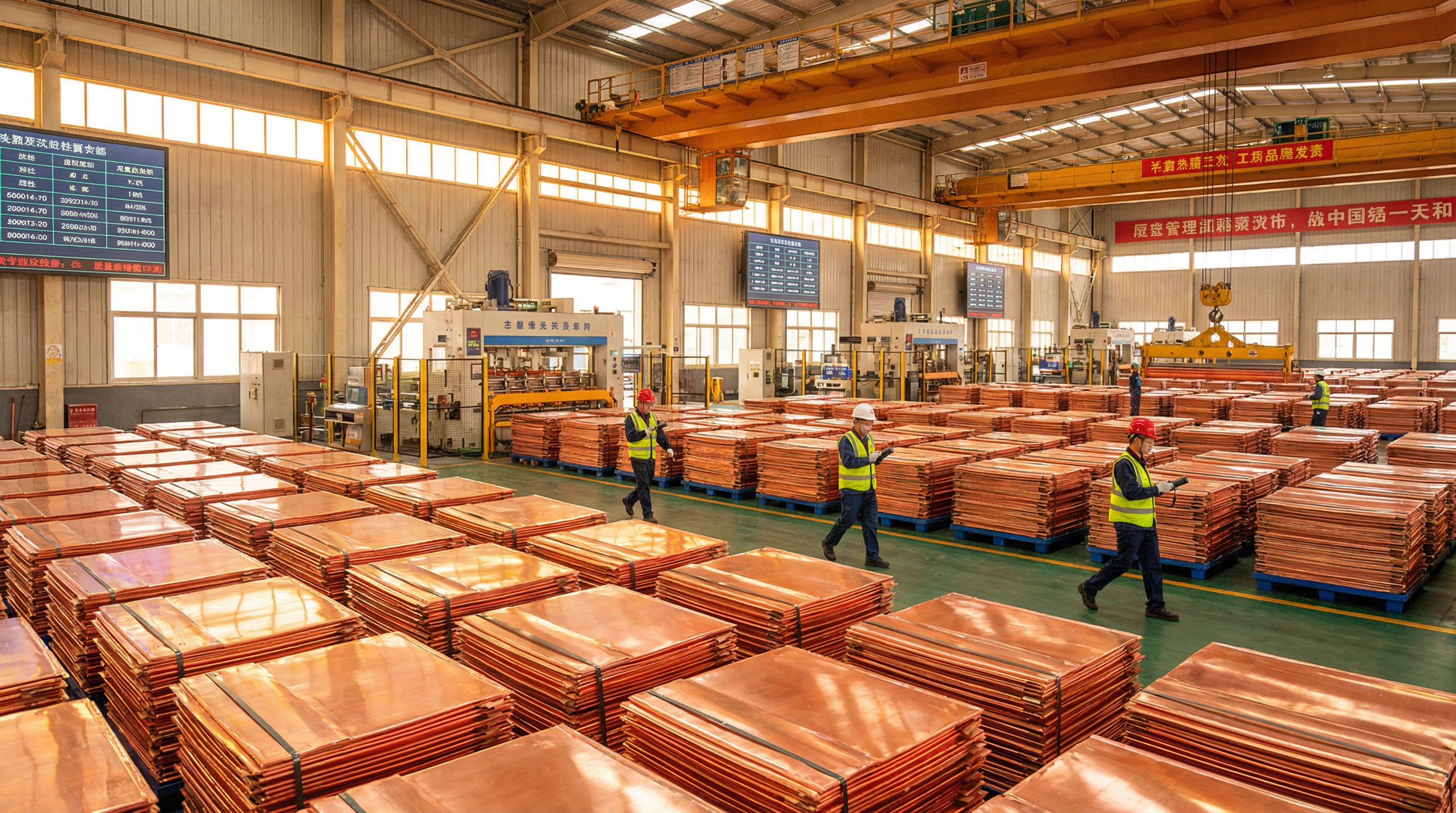
China's copper dominance extends downstream into manufacturing of copper products. The country produces the majority of global copper wire, cable, tubing, and components used in electrical equipment, construction, and industrial applications. This manufacturing capacity, integrated with refining operations, creates a comprehensive value chain that captures value at every stage.
The manufacturing sector's sophistication has increased dramatically. Chinese companies produce high-specification copper products for demanding applications including aerospace, telecommunications, and renewable energy. Quality control systems ensure products meet international standards. Continuous investment in automation and process improvement drives productivity gains that maintain cost competitiveness despite rising labor costs.
Quality and Standards
Chinese copper products have evolved from low-cost alternatives to high-quality options suitable for demanding applications. Major Chinese copper producers have obtained international certifications including ISO quality management standards and industry-specific approvals. Products meet specifications for electrical conductivity, purity, and mechanical properties required by international customers.
International customers increasingly specify Chinese copper products for major projects. Electrical utilities purchase Chinese copper wire for grid construction. Renewable energy developers source copper cable for wind and solar installations. Industrial equipment manufacturers incorporate Chinese copper components. This acceptance reflects confidence in quality and reliability that has been earned through consistent performance.
Procurement Strategies
Effective copper procurement requires understanding Chinese market structures and developing appropriate sourcing strategies. Direct relationships with Chinese refiners and manufacturers can provide cost advantages and supply security. Trading companies with established Chinese networks offer alternative access points for buyers lacking direct relationships.
Quality verification is essential when sourcing copper products from China. Reputable suppliers provide mill test certificates documenting chemical composition and physical properties. Third-party inspection services can verify product specifications before shipment. Long-term relationships with proven suppliers reduce quality risks while providing preferential pricing and allocation during tight markets.
Silk Route Materials specializes in sourcing high-quality copper products from China's leading manufacturers. Our established relationships with refiners and fabricators, combined with rigorous quality verification processes, ensure reliable supply of copper wire, cable, tubing, and components at competitive prices. From small quantities for specialized applications to large-scale project supply, we provide comprehensive copper procurement solutions.
Conclusion
China's comprehensive control over global copper supply chains—from mining investments through refining dominance to manufacturing integration—positions the country as the essential player in copper markets. This dominance reflects decades of strategic investment and will persist for years despite efforts to develop alternative supply chains. For businesses requiring copper products, understanding Chinese copper markets and developing effective sourcing strategies is not optional—it is essential for competitiveness and supply security.